Ticks and the diseases they carry pose an increasing threat to human health, animal health, and agricultural systems across Ohio. Once considered a limited or seasonal concern, tick‑borne diseases are now affecting communities statewide, with implications for families, pets, livestock producers, veterinarians, and frontline professionals. Understanding where ticks are found, what pathogens they carry, and how those risks are changing is critical to protecting Ohio’s people, animals, and economy.
Ticks in Ohio: A Statewide Public Health Issue
Ohio is home to multiple tick species of medical and veterinary importance, including the blacklegged tick, American dog tick, lone star tick, Gulf Coast tick, and Asian longhorned tick. These ticks are capable of transmitting pathogens that affect humans, companion animals, and livestock.
Surveillance data show:
- Lyme disease risk is high across Ohio, with blacklegged ticks established in many counties
- Thousands of human Lyme disease cases have been reported in recent years, representing a dramatic increase over the past decade
- Ticks are now encountered routinely in both rural and suburban environments
Tick‑borne diseases are no longer a rare exposure — they are an ongoing and expanding public health concern.
Tick-borne diseases threaten human health, animal health, and frontline professionals across Ohio:
-
5
Tick species of medical and veterinary importance found in Ohio
-
2,647
human Lyme disease cases in 2025
-
44%
of shelter dogs exposed to at least one tick-borne pathogen
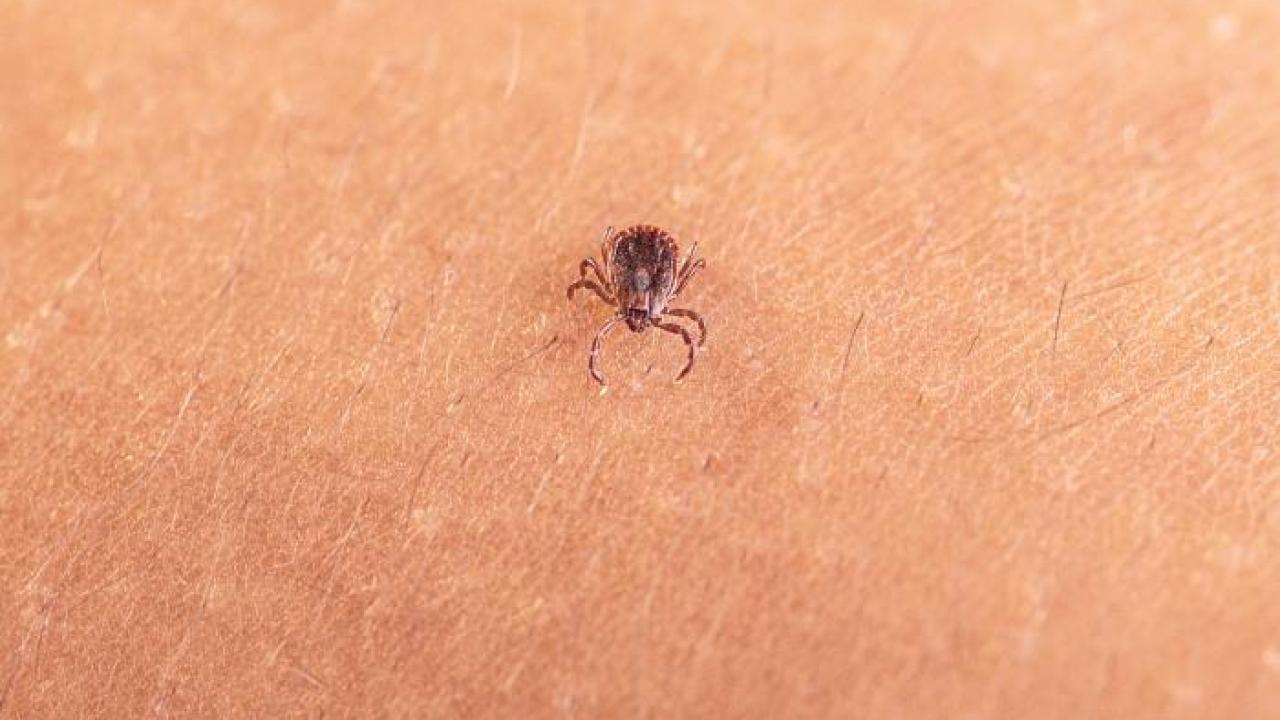
Communities and Families
Tick‑borne diseases affect people of all ages, with children among the most impacted. As ticks expand into suburban and residential areas, exposure increasingly occurs close to home.
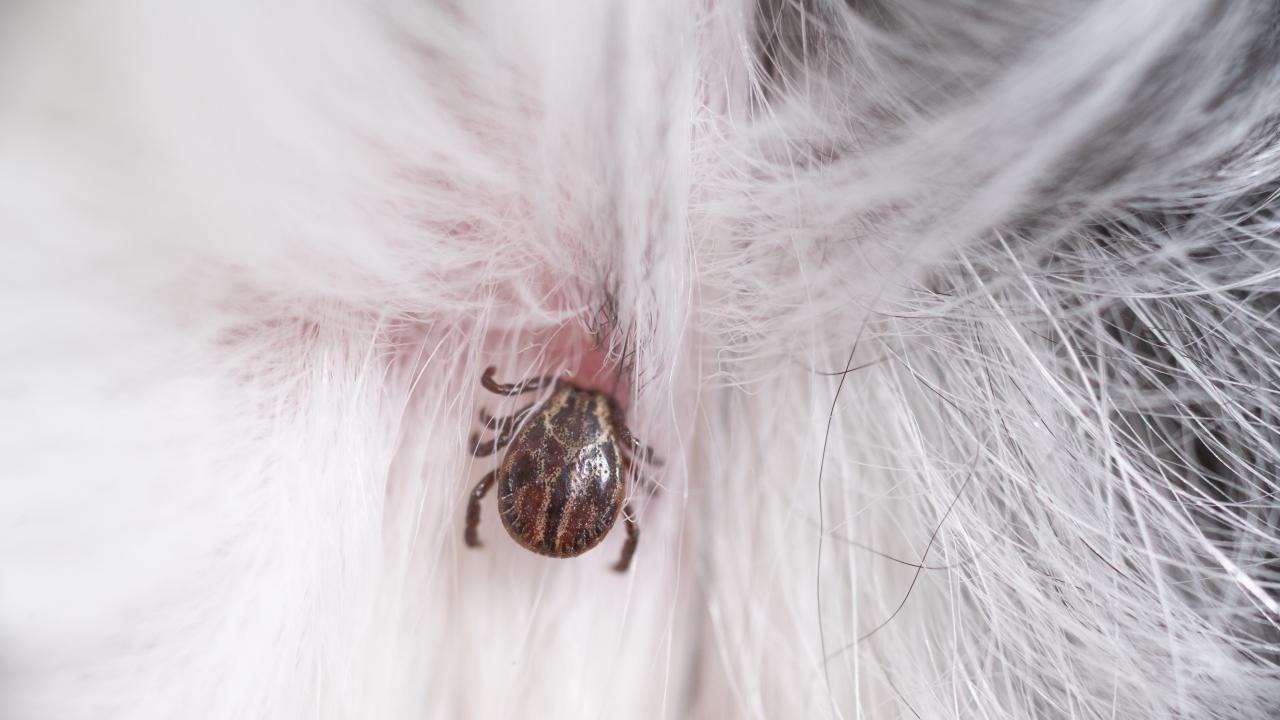
Companion Animals
Dogs and other companion animals are frequently exposed to ticks and tick‑borne pathogens. Because pets share environments with people, animal exposure can also signal risk to households.
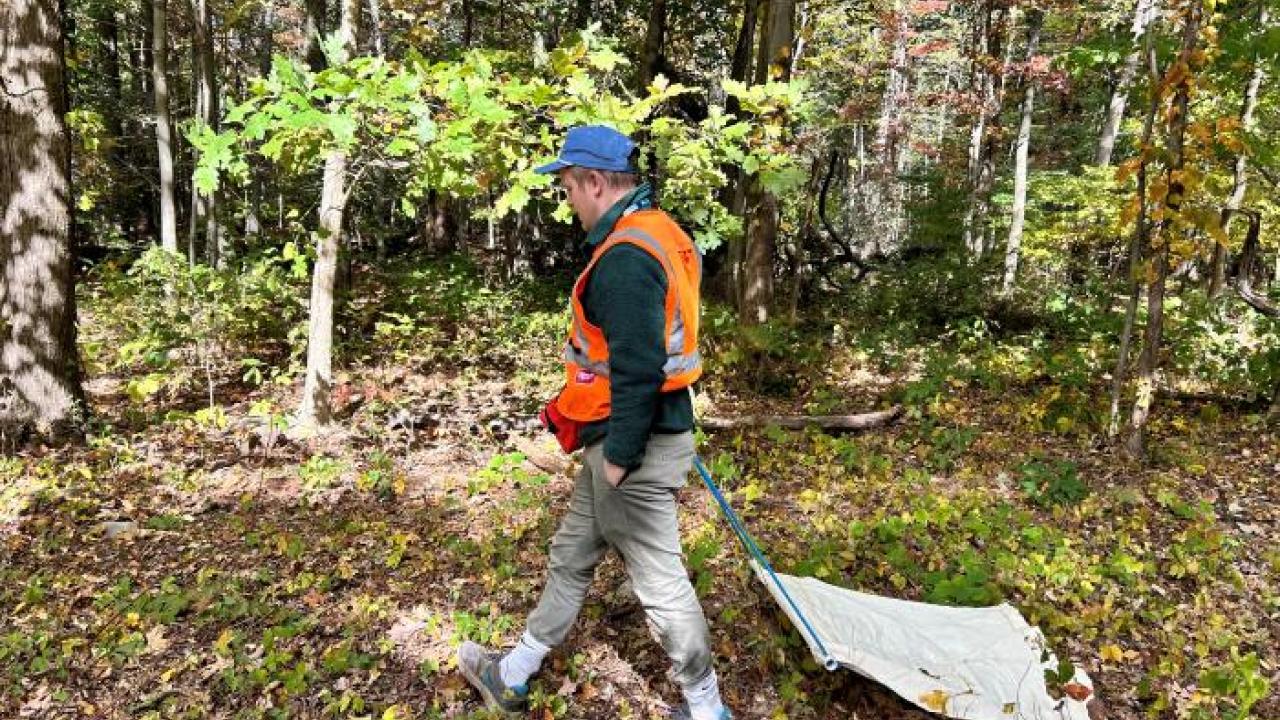
Frontline Professionals
Veterinarians, livestock producers, agricultural workers, and others who work outdoors or with animals face elevated occupational risk from tick exposure.